
AI safety & mental health education
Practical awareness for teens, young adults, and families on navigating emotional support, AI companions, and real-world connection.

What to watch for (warning signs)
Emotional distress isn’t always loud, and someone who appears upbeat or capable can still be hurting deeply. Pay attention to shifts such as:
Relying on AI chats or late-night screen time as a primary substitute for talking with friends, family, or mentors
Withdrawing from loved ones, social plans, hobbies, or daily routines
Expressing hopelessness, feeling like a burden, or talking about wanting to disappear or end pain
Sudden mood swings, quietness, exhaustion, or uncharacteristic isolation
Treating AI responses as exclusive "understanding" while pulling back from real-world support
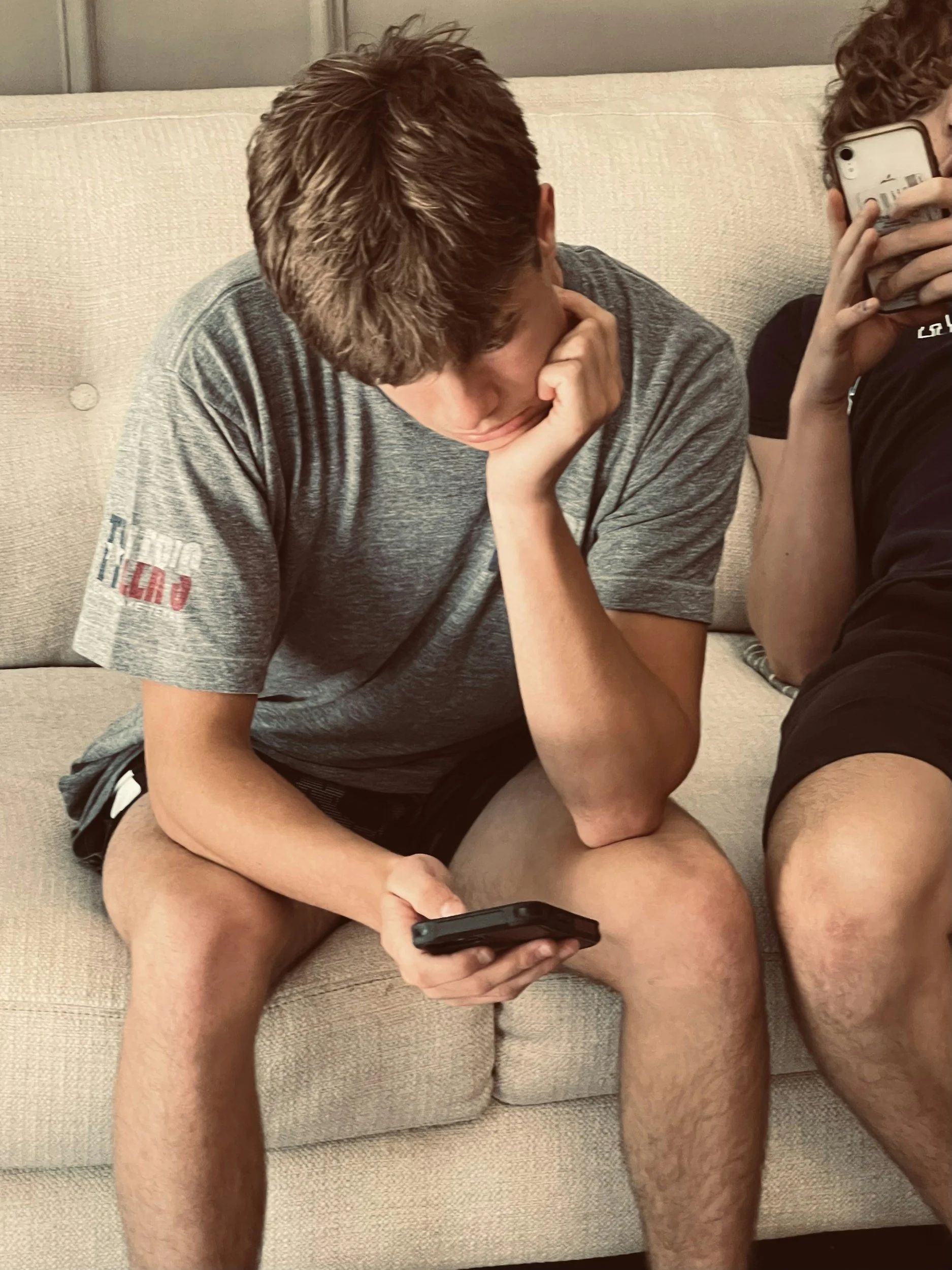
Why AI and mental health matter right now
Conversational AI can feel available 24/7, nonjudgmental, and easy to talk to when someone feels embarrassed, overwhelmed, or isolated. Yet an algorithm cannot truly know a person, hold space with real empathy, or step into a crisis the way family, friends, counselors, and trained crisis responders can. When emotional reliance shifts from human relationships to AI tools, silent struggles can stay hidden behind a screen.
Practical safety guidelines & healthy digital habits
Keep humans in the loop
Use trusted friends, parents, coaches, teachers, or mental health professionals for heavy emotional weight—AI is a tool, not a replacement for real relationships.
Check in beyond surface answers
For parents, mentors, and friends, ask open, caring questions—and don’t assume someone is fine just because they smile, joke, or seem strong.
Set boundaries around late-night & distress chats
If you notice yourself turning to AI when feeling lonely, anxious, or hopeless, pause and reach out to a real person or crisis line instead.
Advocate for safer AI guardrails
Support clear crisis signposting, honest limits on AI emotional dependency, and direct pathways to human help when distress surfaces.